
Resources
Welcome to the Resources page — your hub for trusted, curated information to support your journey toward well-being. Here you'll find articles, self-help guides, recommended readings, and vetted external links — all aligned with Dr. Sharon Saline’s philosophy and expertise. Use the search bar or browse by category or tag to quickly locate what you need. Let’s empower you with knowledge and strategies for growth.

Did your child seem to have a great start to the school year, only to become overwhelmed a few weeks later? Learn why ADHD challenges can become more noticeable as demands increase—and how to recognize what your child may need now.

Does everything feel urgent when you have ADHD? When every email, task, notification, and deadline feels like an emergency, it’s easy to fall into reaction mode. Staying busy while the things that matter most remain unfinished. Learn why ADHD and anxiety can make everything feel urgent and discover five practical ways to slow down, prioritize what matters, and create momentum without relying on last-minute pressure.

Is your tween suddenly talking less, saying “I don’t know,” or retreating to their room? For parents of kids with ADHD and anxiety, staying connected during adolescence can feel challenging. Learn five practical ways to keep communication open, give your tween space, and build a relationship where they know you’re there when they’re ready to talk.

Feeling mentally exhausted before your day even begins? For many adults with ADHD, the constant effort of remembering, planning, anticipating, making decisions, and managing emotions can create an invisible mental load. Learn why your brain feels so full—and five practical strategies to reduce cognitive overload and make daily life feel more manageable.

Back-to-school season can bring excitement, but it can also bring worry, especially for children with ADHD and other neurodivergent learners. From shifting routines to social uncertainty, the transition back to school can feel overwhelming. In this article, Dr. Sharon Saline shares six practical strategies to ease anxiety, build confidence, and help children start the school year feeling ready for whatever comes next.

Do you find yourself replaying conversations, second-guessing decisions, or worrying you've said the wrong thing? Overthinking is a common experience for many adults with ADHD, but it doesn't have to run your life. In this article, Dr. Sharon Saline explains why the ADHD brain gets stuck in cycles of rumination and shares five practical strategies to quiet your inner critic and find more peace.
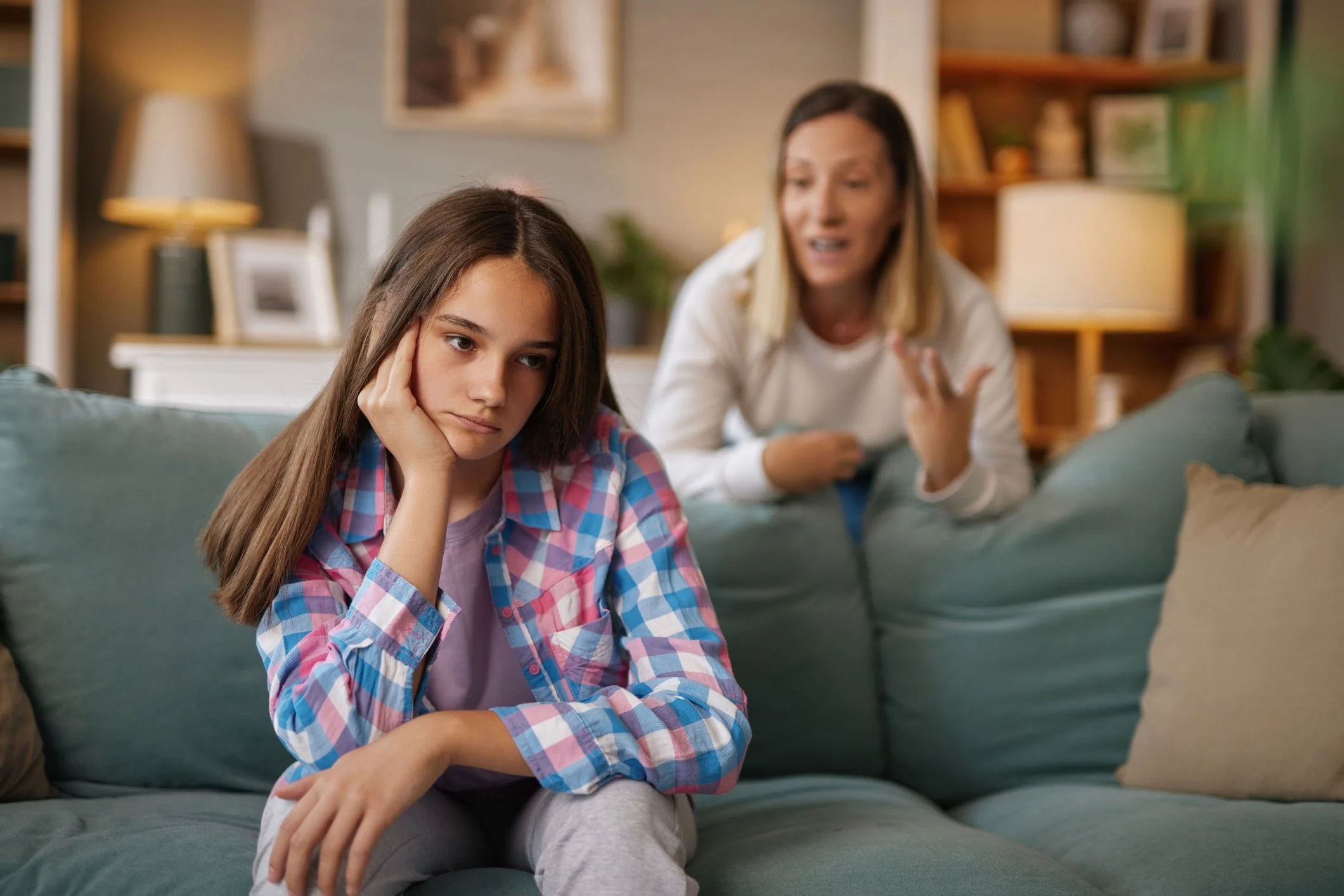
Its easy to feel as if every conversation with your ADHD teen starts and ends with, “I don't care.”. Parents often interpret this response as apathy, when it may actually be a sign of overwhelm, trouble with emotional regulation, or dips in motivation. Discover why shutdown happens and how parents can strengthen communication and connection.

For many adults, summer feels like a collective exhale. After months of juggling school schedules, work deadlines, sports practices, appointments, family responsibilities, and the endless logistics of daily life, the slower pace can feel like finally reaching the finish line.
But for adults with ADHD, summer presents both an opportunity and a challenge. While it's tempting to abandon routines altogether and embrace a season of spontaneity, too little structure can sometimes leave us feeling disconnected, overwhelmed, or struggling to regain momentum when fall arrives. Summer doesn't have to be about productivity, and it certainly shouldn't feel like another item on your to-do list. Instead, it can become a valuable reset—a chance to recharge, reconnect with what matters most, and create space for the activities, relationships, and experiences that often get squeezed out during the busier months.

Graduations (middle school, high school, college) bring excitement and anxiety. ADHD teens often struggle with uncertainty, independence, and executive functioning demands.

By the final stretch of the school year, many kids with ADHD seem to hit a wall. Homework takes longer, motivation drops, emotions run closer to the surface, and even simple tasks can feel surprisingly difficult. Parents often worry that their child is “checking out” just when the finish line is in sight—but what looks like laziness or lack of effort is often something else entirely: cumulative exhaustion.

(Mass Appeal) – Summer time is just around the corner, and that means more time at home with the little ones.
Joining us now is Dr. Sharon Saline, Clinical Psychologist, author, and international speaker, to educate us on how to control how much screen time our children consume.

Spring brings shifting social dynamics, group events, and increased peer comparison. ADHD tweens often struggle with impulsivity, emotional intensity, and social missteps.